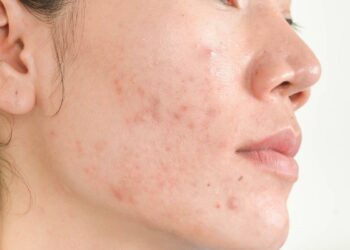


Damaged skin is a nightmare. In most cases, skin damage is caused by prolonged and intense sun exposure. Without protection, the sun’s rays can harm healthy skin cells, and if left unchecked, the damage may worsen over time.

This damage can lead to dark spots, premature aging, discoloration, and, in more severe cases, wrinkles. And it’s not just the sun to blame—seemingly harmless daily habits can also contribute to damaging your skin. That’s why you need to avoid the following things, as they can harm your skin.
Skipping sunscreen

Skipping sunscreen is one of the most harmful habits for damaging your skin, with long-term consequences. Without sunscreen, your skin is exposed to UV rays that weaken its elasticity and accelerate premature aging.
Over time, unprotected skin will develop wrinkles, fine lines, and sagging. It can also become sunburned, dry, and more vulnerable to skin cancer.
Don’t ignore sunburn—it’s a direct effect of excessive sun exposure. Redness, peeling, and sensitivity are clear signs of damage. That’s why many professionals recommend using sunscreen with a minimum SPF of 30. In areas with intense heat, at least SPF 50 is advised.
It’s also important to emphasize that sunscreen should be worn every day. Even on cloudy or rainy days, up to 80% of UV rays can penetrate the atmosphere. This means your skin is still exposed to harmful rays.
Additionally, sunscreen should be reapplied every 2–3 hours, especially if you sweat, swim, or spend extended periods outdoors.
Over-cleansing your face

Cleansing your face is important, but overdoing it can damaging your skin. So what exactly does “over-cleansing” mean? Healthy skin starts with a clean face, so of course, washing your face daily is essential.
However, washing too often strips away the natural oils that help protect your skin from acne-causing bacteria. These natural oils also maintain moisture and guard against external irritation.
Generally, dermatologists recommend washing your face twice a day—once in the morning and once at night. However, this may vary depending on your skin type, diet, and even pillowcase hygiene.
Knowing your skin type—whether oily, dry, or combination—can help determine how often you should use a facial cleanser. In some instances, more than two washes a day may be necessary.
For example, after an intense workout that causes excessive sweating, washing away the sweat and bacteria is not a bad idea. This step can help prevent clogged pores and maintain optimal skin hygiene.
Sharing makeup tools

The phrase “sharing is caring” doesn’t apply when it comes to makeup tools. Avoid sharing makeup applicators in any way, even with close friends or siblings. If you need to try products at a store, avoid looking directly at your face.
If you’re using a professional makeup artist, ensure they clean their tools regularly. Makeup applicators can harbor bacteria that may trigger or worsen acne, irritation, and allergic reactions.
In extreme cases, you could get a staph infection. Some people may not be sensitive to certain bacteria, but that doesn’t mean you’re immune. So, keeping your face clean remains important to prevent risks like this.
Many contagious diseases, like Staphylococcus aureus and Staphylococcus epidermidis, can be transmitted through shared makeup. Bacterial infections depend on specific conditions and bacterial types.
Besides makeup tools, avoid sharing lip balms or lipsticks to prevent the spread of germs and viruses. In severe cases, you could contract oral herpes. So, if items like lipstick, lip balm, or lip tint are essential to you, be sure to carry your own.
On a related note, infections can also result from using expired makeup products. Some items have longer shelf lives, while others expire more quickly. Always check the expiration date and replace products when necessary.