

Piercings have long been a popular form of self-expression and body art. Once considered taboo, they have regained widespread appeal across many age groups and cultures.
Whether it’s your first piercing or an addition to your collection, proper care is essential to ensure safe healing and maintain the beauty of your new body art.
Popular piercing locations on the body

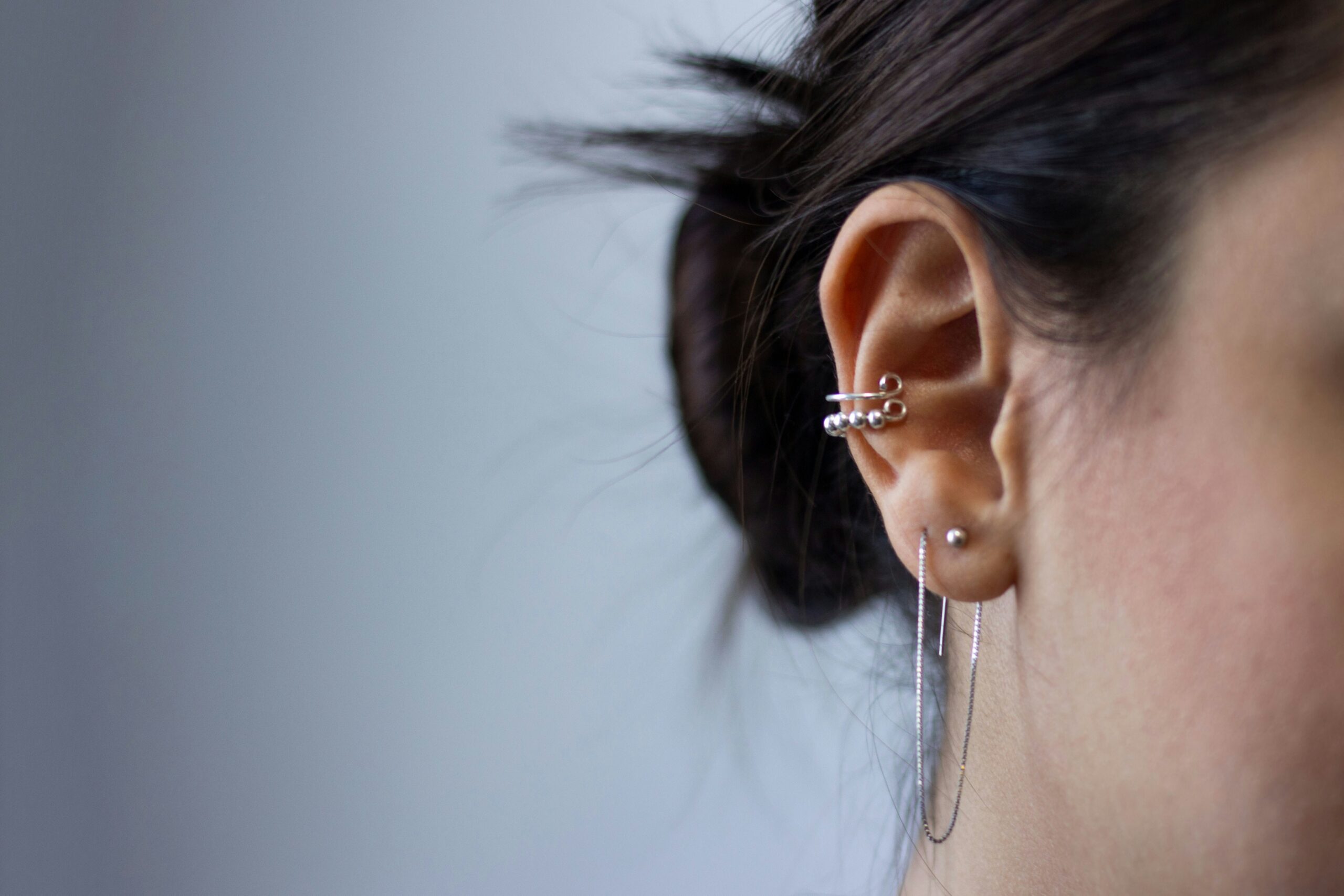
Ears are the most common place for people to get their first piercing. The fleshy lower earlobe is a popular choice for beginners. In addition, the conch (middle part of the ear) and the helix (upper cartilage) are also frequently chosen.
While ears are the most commonly pierced body part, they’re not the only ones. Nose are also popular, typically placed between the nostrils or just above one nostril.
Tongue are another trendy option among young people. Usually placed in the center of the tongue, this often features a small stud or barbell.
Navel piercings are also quite popular. This type of piercing targets the skin just above the belly button, allowing the jewelry to hang slightly over the navel. If you prefer a different placement, you can discuss alternative areas around the navel with a professional piercer.
How painful is it, and what should I prepare?
Each piercing site comes with its own level of discomfort. Generally, the pain isn’t too intense. Cartilage piercings, such as a tragus piercing, may feel slightly uncomfortable due to the thickness of the cartilage, but they’re not usually painful. On the other hand, nipple piercing can be very painful because of the high concentration of nerve endings.
Navel piercings are also known to be among the more painful types. They carry a higher risk of infection, as the area is warm and often covered, creating an ideal environment for bacteria. That’s why diligent aftercare is essential for proper healing.
How to care for your new piercing

Proper aftercare is key to optimal healing. Healing times can vary, but taking consistent, correct care of your piercing will help speed up the process. Earlobe piercings typically heal in 4–6 months, while cartilage or inner ear piercings can take 6–12+ months to heal fully.
Your ear is likely healed when discharge, swelling, redness, flaking, or pain has completely stopped. Generally, the piercing will feel better over time with consistent aftercare. Here are the steps you can follow to clean:
- Always wash your hands before touching or cleaning your piercing.
- Spray the front and back of the piercing with a sterile saline solution two to three times a day.
- For certain piercings, it may be easier to use a clean, non-woven gauze soaked in saline.
- Rinse the piercing and surrounding area with clean water to remove any salt residue.
- Gently pat the area dry using a clean, disposable paper towel.
Things to avoid during the healing process
- Avoid using cotton pads or swabs when cleaning, as their fibers can get caught on the jewelry.
- Exercise is still allowed, but avoid activities that could bump or hit the piercing, as it can be painful.
- Change pillowcases and bedsheets regularly to reduce the risk of bacterial infection.
- Keep the pierced area dry and avoid soaking or swimming. While showering, make sure the area stays clean and rinse away all soap residue.
- Clean the area regularly. A dirty piercing can harbor bacteria and cause an unpleasant odor.
Getting a piercing is exciting, but healing requires patience and proper care. Follow these simple do’s and don’ts to keep your piercing clean, minimize pain, and ensure beautiful results.
If you experience severe pain, prolonged redness, swelling, or discharge, consult a professional piercer or healthcare provider immediately.