
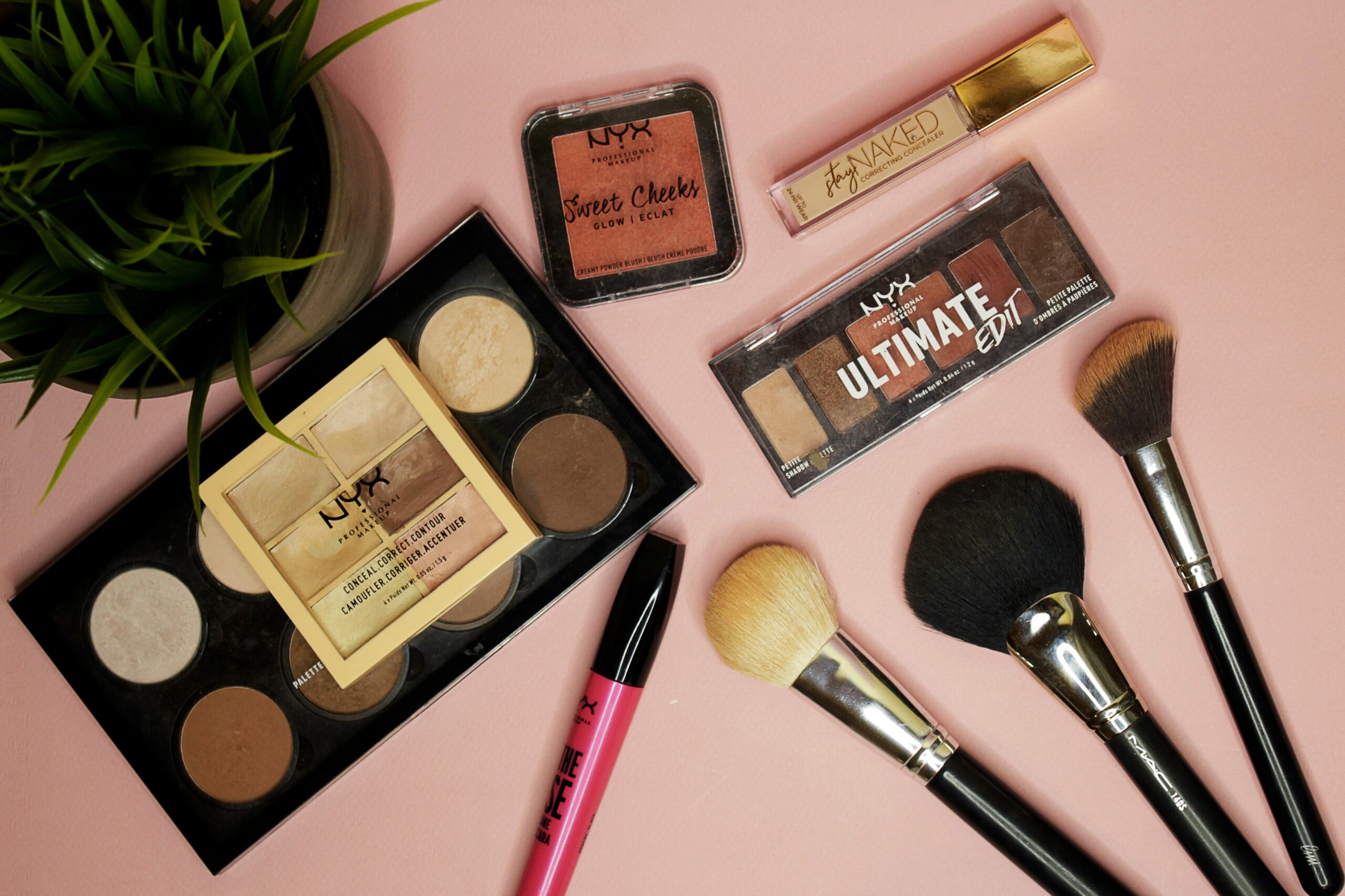
Most of us are guilty of hanging onto a favorite lipstick way past its prime, or discovering an old foundation bottle hiding in a makeup bag we haven’t touched in months. It might still look okay, but here’s the thing: makeup doesn’t last forever.

Just like food, makeup has an expiration date. Using products that are too old can have more than just an impact on their performance. They can irritate your skin, clog your pores, or even cause infections.
So, how long should you be keeping that mascara or blush? And how do you know when it’s time to say goodbye?
Here’s a simple breakdown of makeup shelf life, signs a product’s gone bad, and why it’s worth keeping track.
Why Expiration Dates Matter in Makeup
Unlike food, expired makeup doesn’t always give you clear warnings. It might not smell bad or change color. Many of us continue to use it for years, thinking it’s harmless. But here’s the catch: just because it looks fine, it doesn’t mean it is.
Over time, the preservatives in your makeup begin to break down. When that happens, harmful bacteria, yeast, and even mold can start to grow, especially in liquid and cream formulas. The result? Skin irritation, breakouts, or worse, infections.
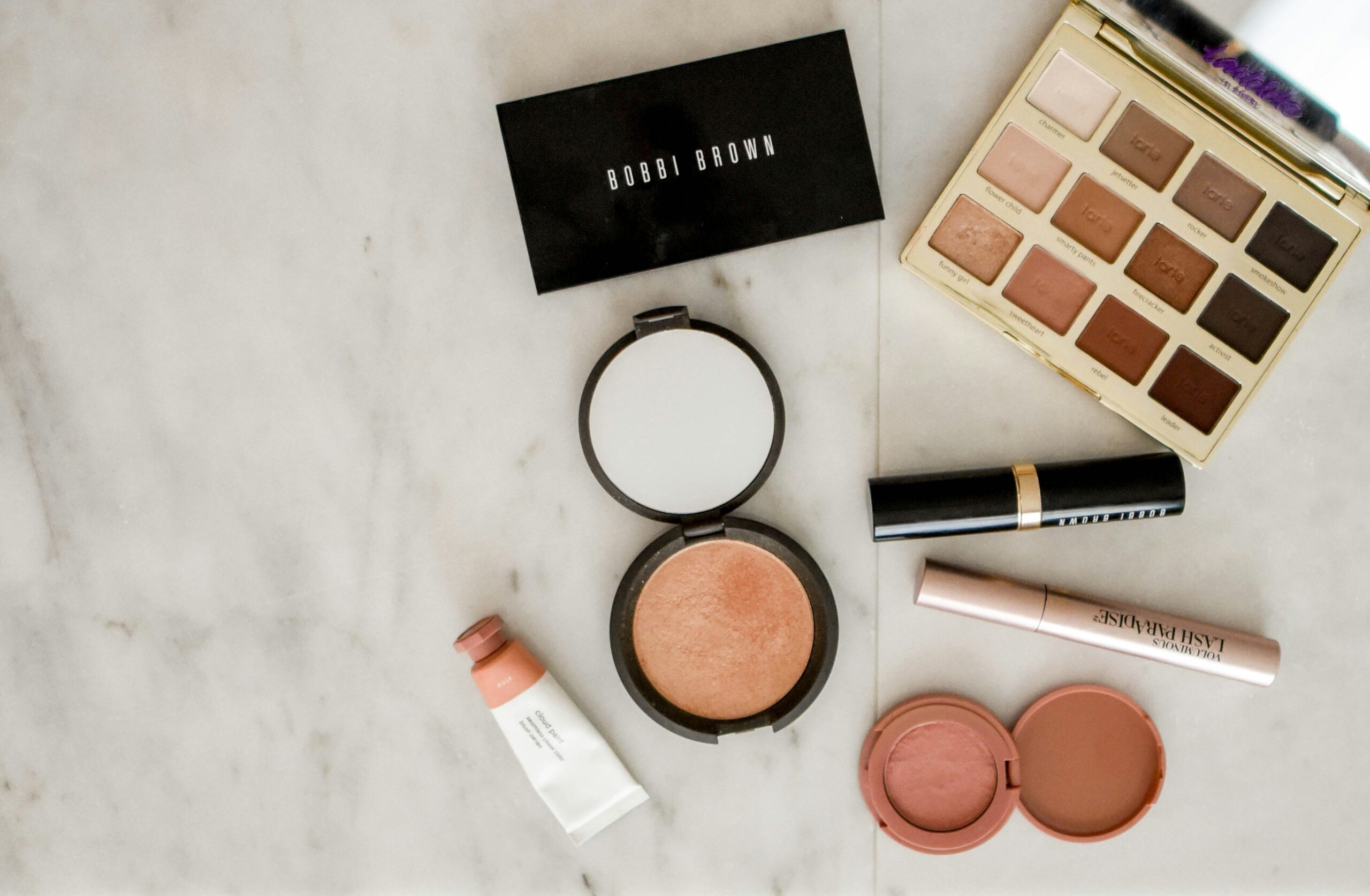
In short, makeup does expire. And knowing when to toss it is just as important as knowing how to apply it.
Using expired makeup can result in:
- Skin rashes and allergic reactions
- Eye infections like conjunctivitis
- Clogged pores and breakouts
- General irritation and redness
General Guide to Makeup Expiration Dates
Please note that the clock starts ticking from the moment you open the product.
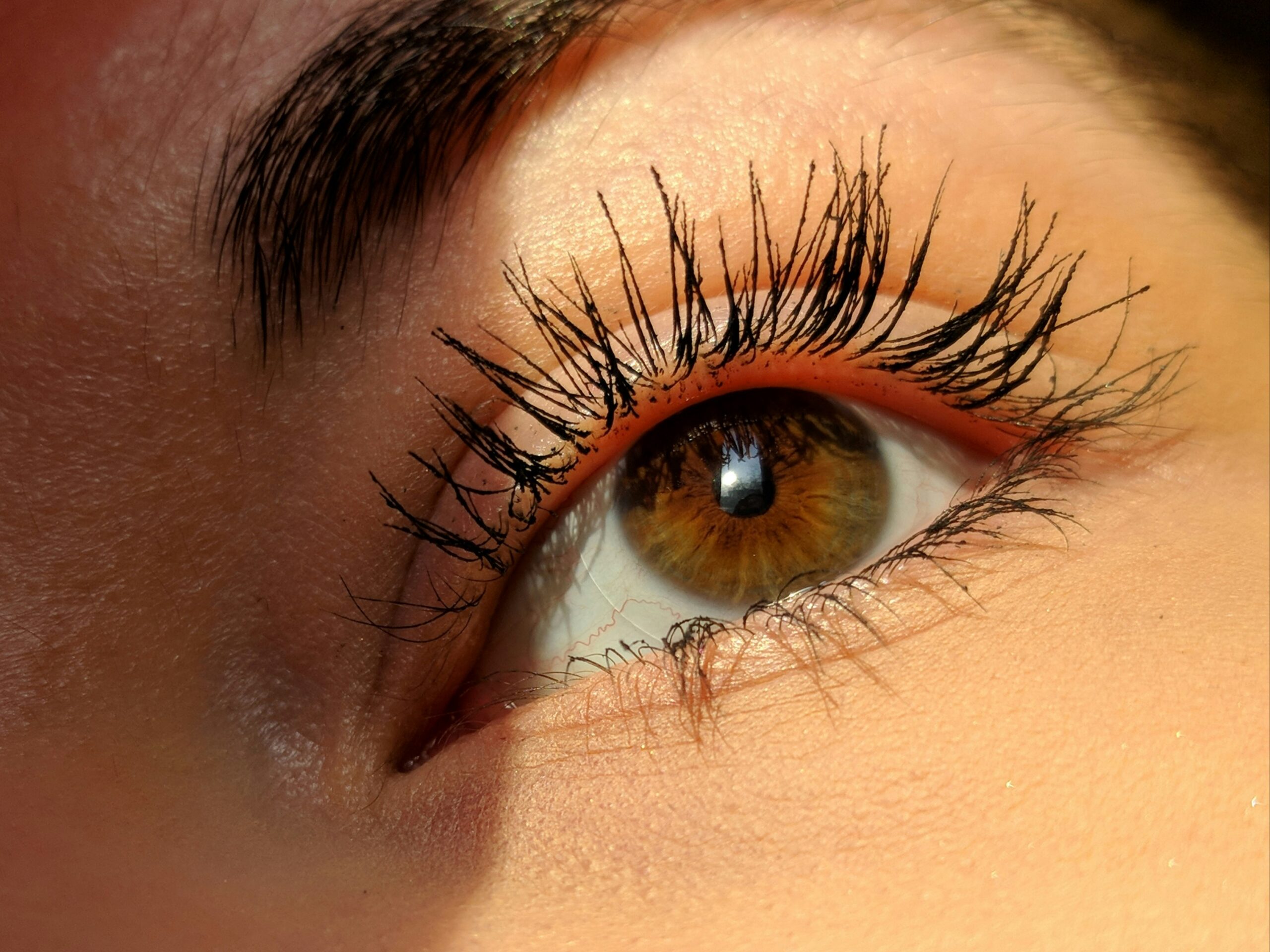
Mascara: 3-6 months
Mascara is one of the fastest-expiring products. It’s exposed to air and bacteria every time you use it. If it starts to smell unusual, clump, or flake, discard it, especially if you’ve a history of eye infections.
Tip: Never pump your mascara wand. It pushes air into the formula, causing it to dry out faster.
Liquid eyeliner: 3-6 months
Like mascara, liquid eyeliners are applied close to the eye and can become breeding grounds for bacteria. If the texture thickens or smells off, it’s time to replace it.
Foundation: 6-12 months (liquid), 12-18 months (powder)
Liquid foundations tend to break down over time. If the formula separates, the color changes, or it smells off, it’s no longer safe to use. Powder foundations, on the other hand, last longer due to their low moisture content.
Concealer: 6-12 months (liquid), up to 2 years (stick)
Liquid concealers follow the same rule as foundation. Stick concealers tend to last longer, but they should still be monitored for texture changes or unusual odors.
Lipstick and lip gloss: 12-18 months
Lip products can carry bacteria from your mouth. If your lipstick becomes dry, changes in texture, or smells rancid, toss it. Lip gloss should be discarded sooner if it becomes sticky or cloudy.

Eyeshadow: 12-24 months
Powder eyeshadows are relatively stable, but cream eyeshadows expire faster – around 6 to 12 months. If you notice any hardening, smell changes, or if you’ve had an eye issue, don’t risk it.
Blush and bronzer: 18–24 months (powder), 12 months (cream)
These products are often used on clean skin, allowing them to last longer. But like all makeup, keep an eye on changes in texture, color, or scent.
How to Tell If Makeup Has Expired
Not sure if something’s past its prime? Look out for these signs:
- A change in smell, especially a sour or chemical odor
- Texture changes: clumping, drying, or separating
- Color changes or fading
- Growth of mold or visible particles
- Irritation or breakouts after application
Also, look for a small jar icon on your product (called the PAO symbol) that indicates how many months it’s suitable for after opening, such as “6M” for six months.
Tips to Make Your Makeup Last Longer
- Store it properly: Keep makeup away from direct sunlight and humidity.
- Use clean tools: Wash brushes and sponges regularly to avoid contamination.
- Close lids tightly: Exposure to air breaks down formulas faster.
- Avoid sharing eye and lip products, as they can transfer bacteria.
Makeup isn’t meant to last forever, and neither should it. Holding onto old products may feel like a money-saver, but the risks to your skin and health just aren’t worth it.
By staying aware of expiration dates and watching for signs of spoilage, you can maintain a safe and effective beauty routine. When in doubt? Toss it out.