
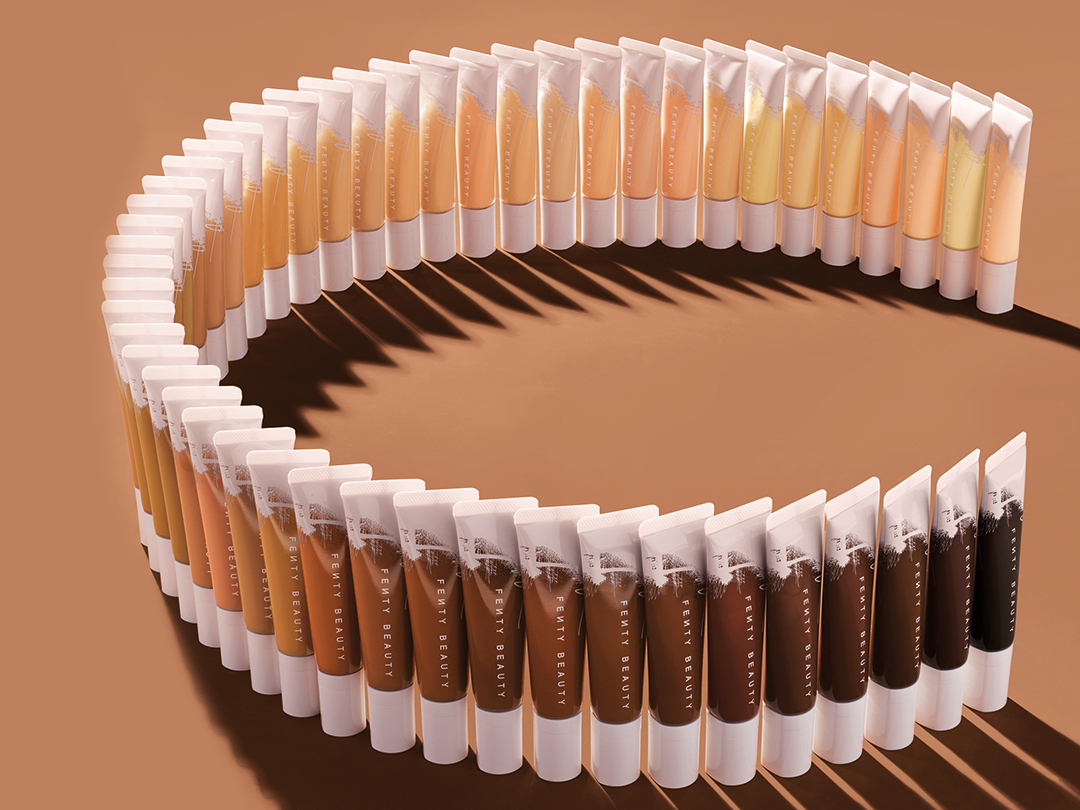
For decades, the beauty industry was criticized for offering foundation shades that mainly catered to lighter skin tones. People with deeper or very fair complexions often struggled to find products that matched their skin, leaving many feeling overlooked and underrepresented. This lack of inclusivity was a glaring issue — but it wasn’t until 2017 that a significant shift took place.

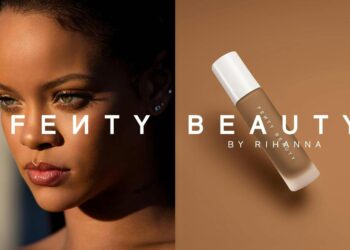
Enter Fenty Beauty by Rihanna, a brand that didn’t just raise the bar for shade range — it redefined the entire conversation about beauty and representation.
From the very beginning, Fenty Beauty was unapologetically committed to diversity. Rihanna’s mission was clear: create makeup that works for every skin tone, no exceptions. This bold approach sparked what’s now known as the “Fenty Effect,” pushing the entire industry toward a more inclusive and representative future.
Let’s dive into how Fenty Beauty transformed shade inclusivity from a niche ideal into a global standard — and why this revolution still matters today.

The Groundbreaking Launch That Changed Everything
When Fenty Beauty launched in September 2017, it offered 40 foundation shades — a revolutionary move in an industry notorious for limited options. Rihanna explained it simply:
“I wanted everyone to feel included. That’s the real reason I made this line.”
This wasn’t just lip service. The Pro Filt’r Soft Matte Longwear Foundation quickly gained cult status, celebrated not only for its shade variety but also for its impressive performance on diverse skin tones. People who had long mixed multiple products or settled for ill-fitting shades finally found a line that truly worked for them.
What set Fenty apart was its holistic inclusivity — a full spectrum of shades that didn’t prioritize some over others. This move sent a powerful message that beauty is universal and that no one should feel excluded from self-expression.

Why Shade Inclusivity Matters Beyond Makeup
Shade diversity is about more than just cosmetics. It’s about representation, visibility, and empowerment. Before inclusive brands like Fenty, many people felt the beauty world was designed for everyone but them.
When brands offer only a narrow range of shades, it can reinforce harmful ideas that certain skin tones are “normal” or “desirable,” while others are marginalized. Fenty Beauty flipped this narrative by placing all skin tones front and center — especially those historically underrepresented.
Representation in beauty products and advertising validates identity and builds confidence. It tells people they belong, they’re seen, and they deserve products made just for them. This shift has emotional and cultural significance, helping reshape beauty standards globally.
The Fenty Effect: Industry-Wide Change
Fenty Beauty didn’t just win consumer hearts; it forced competitors to respond. The launch pressured beauty brands to expand their shade ranges and rethink their approach to inclusivity. Suddenly, 40 shades or more became the new expectation.
While not every brand nailed it perfectly (some shade expansions have been criticized as token efforts), the overall movement toward inclusivity is undeniable. The “Fenty Effect” pushed the industry forward — making diversity not an afterthought, but a baseline requirement.
Now, inclusive shade ranges are found at every price point, from luxury lines to drugstore shelves. Customers are more informed, vocal, and ready to call out brands that fall short.
Beyond Foundation: Full-Range Inclusivity
Fenty Beauty’s inclusivity extends well beyond foundation. Their concealers, blushes, highlighters, and lip products all cater to a wide range of undertones and skin colors.
For example, the Killawatt Freestyle Highlighters and Gloss Bomb lip glosses gained massive popularity because they looked stunning on everyone — whether you have porcelain, caramel, or ebony skin.
Fenty’s advertising also broke the mold by featuring genuinely diverse models — not just one token person of color, but a broad, authentic spectrum of ethnicities, ages, and skin tones. This inclusivity felt real, respectful, and powerful.

Setting the Standard for the Future
What makes Fenty Beauty’s impact truly lasting is its ongoing commitment. The brand now offers over 50 foundation shades and continues to innovate with inclusivity at its core.
Importantly, it has empowered consumers to demand more from all brands. Shoppers today actively ask, “Does this brand have my shade?” and “Does it represent people like me?” Brands that can’t answer yes risk losing loyal customers.
Inclusivity is no longer a trend or a marketing tactic. It’s a fundamental expectation shaping the future of beauty.
Fenty Beauty didn’t just release a makeup line — it launched a movement that transformed the beauty industry forever. By centering inclusivity and representation from the start, Rihanna’s brand has made it clear that beauty isn’t one-size-fits-all.
This shift has helped countless people feel seen, valued, and empowered to express themselves fully. As more brands follow suit, the beauty world is finally catching up with the rich diversity of real skin tones around the globe.
Inclusivity isn’t just about makeup shades — it’s about creating a space where everyone can shine. And thanks to Fenty Beauty, that space is growing bigger, brighter, and more beautiful every day.