
Acne is always a dreaded problem. Its appearance is often unpredictable and, in severe cases, can lead to insecurity. One of the most difficult types of acne to avoid is hormonal acne. Although it is often unavoidable, this type of acne can be treated.

Before diving deeper, let’s first understand what hormonal acne is. According to the Cleveland Clinic, hormonal acne—or adult acne—is a type of acne that affects adults between the ages of 20 and 50. It can appear anywhere, including the face, shoulders, chest, and back.
The most common cause of hormonal acne is clogged pores. Pores can become clogged due to excess sebum, dead skin cells, and bacteria. When hormonal changes increase oil production in the skin, this oil interacts with bacteria living in the hair follicles, which leads to the formation of hormonal acne.
Causes of Hormonal Acne
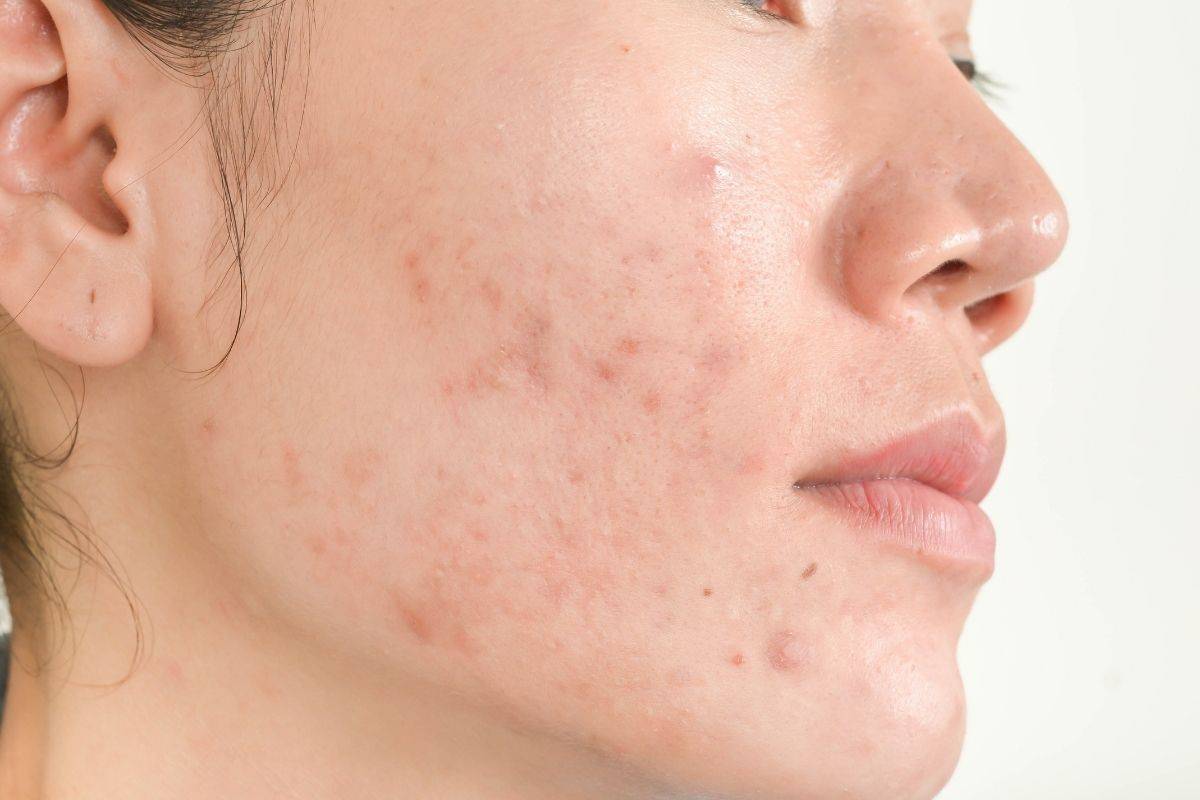
Even if you maintain good personal hygiene, some factors make hormonal acne difficult to manage. This is especially true for women, who frequently experience hormonal fluctuations. These occur during menstruation, irregular menstrual cycles, pregnancy, menopause, or after stopping contraceptives.
Fun fact: during pregnancy, hormonal fluctuations can trigger acne. However, acne often improves as pregnancy progresses. For this reason, proper treatment is crucial. Generally, some treatments should be avoided during pregnancy, such as topical retinoids, salicylic acid, and isotretinoin. Always consult a doctor for safe treatment options.
It can also appear in men with high testosterone levels. Research shows that people with acne tend to produce more testosterone than those without acne. However, testosterone itself does not directly cause acne. Instead, it triggers a chain reaction in the skin that can result in acne.
According to HIMS, testosterone stimulates the sebaceous glands in your skin to produce excess sebum (oil). When there’s too much oil, it mixes with dead skin cells and clogs pores. Once pores are blocked and combined with bacteria, not only acne but also blackheads and whiteheads can develop.
Lastly, genetics can also play a role. Acne can be inherited, and it may also be caused by medication side effects (such as steroids) or medical conditions like polycystic ovary syndrome (PCOS), metabolic disorders, or ovarian abnormalities.
Tips for Treating Hormonal Acne
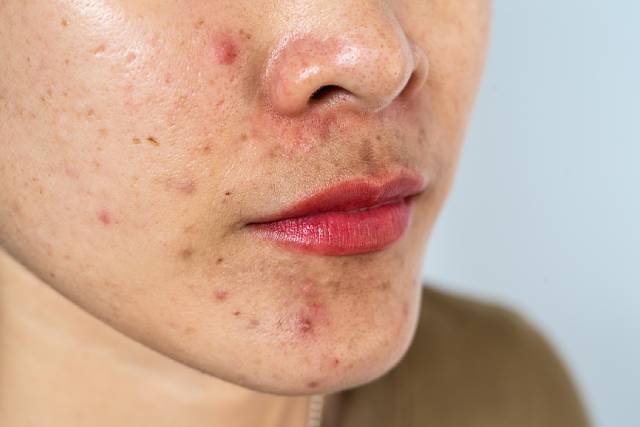
When hormonal acne appears, you can usually treat it with medications such as retinoids, natural acids (AHA and BHA), and benzoyl peroxide, which are available at most pharmacies. Products containing these ingredients can help reduce acne and minimize the appearance of scars caused by hormonal acne.
In some cases, it can be treated with natural remedies such as green tea and tea tree oil, both known for their anti-inflammatory properties. While you cannot control hormonal fluctuations, there are several tips to help protect your skin from acne:
- Wash your face 1–2 times daily with a gentle cleanser.
- Use lukewarm water to rinse.
- Avoid scrubbing, pulling at your skin, or popping pimples to prevent scarring.
- Minimize makeup use on your face.
- Avoid tanning beds and use sunscreen with at least SPF 30 to protect against sunburn and hyperpigmentation.
And, the most important is try to chages your several lifestyle like getting adequate sleep, reducing your stress levels, practicing self-care, eating something more healthier like a nutrient-rich diet, and implement a personalized skin care regimen that focuses on healthy habits like regular exfolation and moisturizing.
However, if your condition is severe, the treatments mentioned above may not be effective. According to SK:N Clinics, oral medications and specialist care may be required. You should see a dermatologist to identify the root cause and treat hormonal acne properly. Don’t hesitate to consult a dermatologist before your acne worsens.