

Your skin is the largest organ in your body—and it needs hydration to stay healthy, smooth, and glowing. When skin lacks moisture, it can become dull, flaky, and wrinkled, much like a grape that’s been left out in the sun too long without water.

As we age, our skin’s natural ability to retain moisture declines. Cell turnover slows down, and buildup on the skin can lead to fine lines, uneven texture, dehydration, and clogged pores. But don’t worry—dehydrated skin can be repaired with the proper care.
Signs of dehydrated skin

Dry skin and dehydrated skin are not the same. Generally, dry skin lacks oil, which causes it to struggle to retain moisture. As a result, the skin may become cracked and even bleed.
Meanwhile, dehydrated skin lacks moisture, leading to dryness, cracking, flaking, dullness, and sometimes bleeding. A lack of water in the skin means it cannot stretch properly, making it less effective at protecting the body.
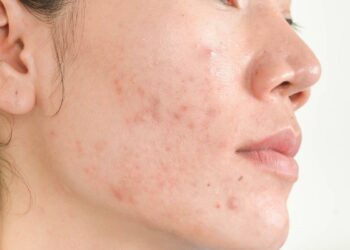
One of the main signs of dehydrated skin is a dull appearance. When your skin lacks water, it doesn’t have enough moisture to give off a natural glow and shine like healthy skin does. You may also notice the appearance of wrinkles.
Wrinkles are a natural part of aging, caused by sun exposure and genetics. Of course, you can’t fully prevent them. However, in some cases, dehydration can also contribute to their formation.
If you don’t notice any of these signs but still want to check whether your skin is dehydrated, you can try the pinch test. Simply pinch a small area of the skin on your arm using your thumb and index finger.
If your skin is well-hydrated, it will bounce back within a few seconds. If it doesn’t, that’s a sign your skin is dehydrated.
Start from within: stay hydrated
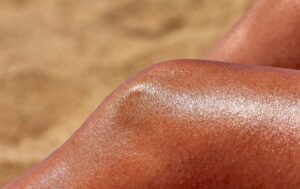
If you start to notice signs of dehydration in your skin, don’t worry. Dehydrated skin damage isn’t permanent—you can fix it with some lifestyle changes.
When your skin feels dry, flaky, or dull, it’s a sign that you need to drink more water. Yes—hydration starts from within. The leading cause of dehydrated skin is a lack of fluid intake in the body.
So, the easiest way to stay hydrated is to drink more water. Of course, you can still enjoy other beverages like coffee, milk, and tea. However, pay attention to how much you’re consuming. Drinks like alcohol, soda, and sweetened beverages are okay in moderation, but consuming too much can dehydrate you faster.
You can also hydrate your body through foods with high water content. Try eating fruits and vegetables like lettuce, cabbage, watermelon, berries, pineapple, spinach, zucchini, celery, and cucumber.
Protect your skin barrier with a hydrating skincare routine
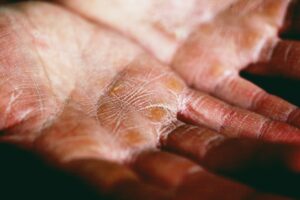
Maintaining a skin hydrated barrier is essential to keep your skin clean, smooth, and comfortable. Unfortunately, external factors like excessive sun exposure, air pollution, and skin dehydration can damage it. To repair dehydrated skin, skincare can help restore its health.
When it comes to the face, serums are key. A serum containing hyaluronic acid, glycerin, or ceramides can help firm the skin hydrated, reduce the appearance of fine lines, and brighten your complexion.
For body care—especially arms and legs—regular use of body lotion is important. It boosts hydration, prevents dryness, and leaves your skin feeling soft and smooth. Body lotions enriched with vitamins, minerals, and antioxidants are great for dealing with rough, flaky, or cracked skin.
As a general rule for skin care, avoid taking hot showers too often and don’t over-exfoliate. Hot water can strip away natural oils from the skin, and excessive exfoliation can damage the skin barrier, which is essential for retaining moisture.
Instead, opt for a gentle cleanser. Pat your skin dry after showering—don’t rub it. Then, immediately apply a moisturizer rich in humectants like hyaluronic acid and glycerin, along with emollients such as ceramides or shea butter to lock in the moisture.