

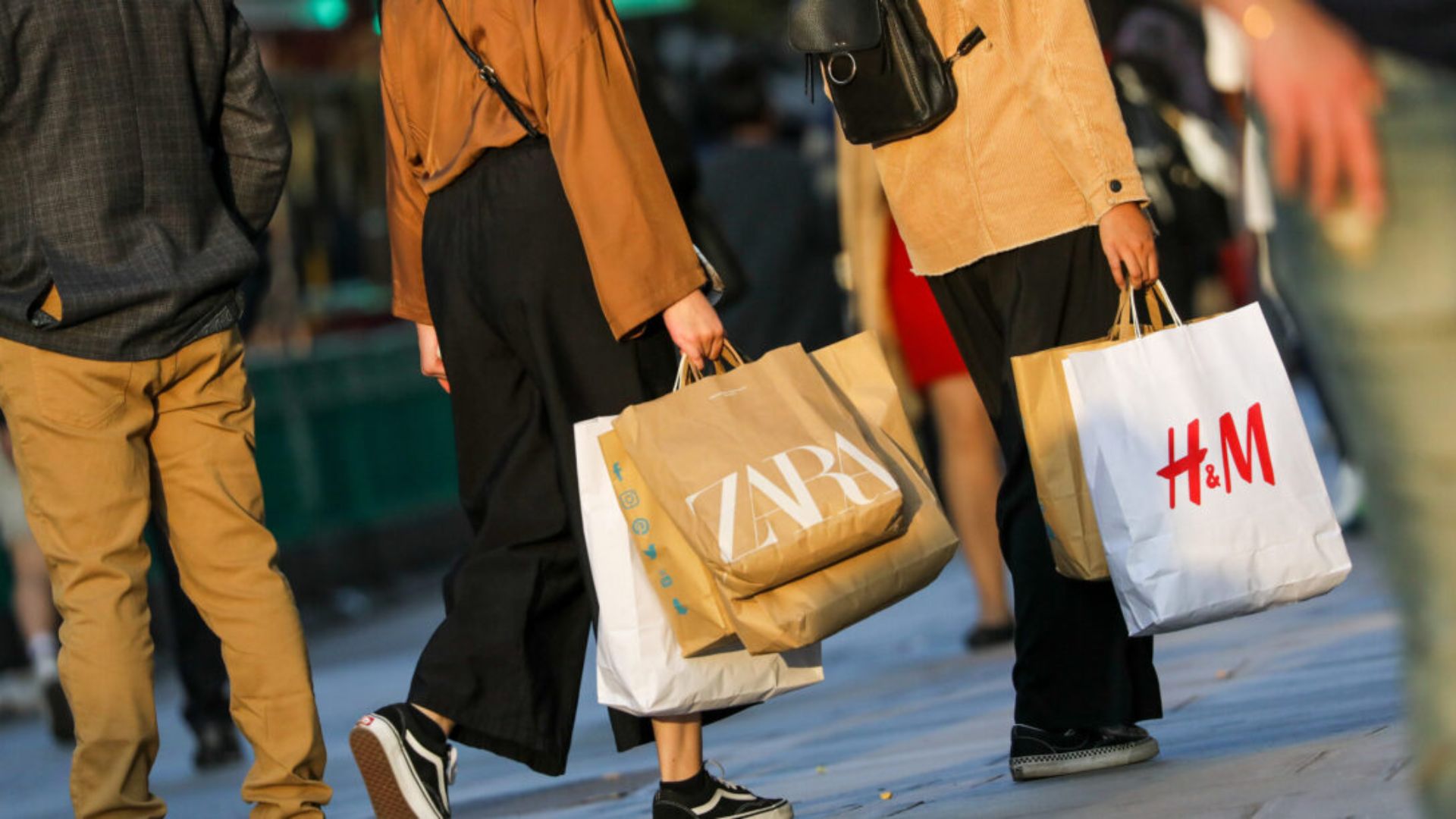

Did you know that everything is moving faster today? Including the fashion industry? In the past, designers created clothing for four seasons: winter, spring, summer, and fall. Today, new styles, designs, and trends appear almost every week. This phenomenon is known as fast fashion.
So, what exactly is fast fashion? According to Vogue, fast fashion is not defined by fixed pricing, product offerings, or even seasonal cycles. Instead, fast fashion refers to the way clothing is produced, marketed, and sold—this is what earns a brand the fast fashion label.
Brands such as Forever 21 and ZARA can be considered pioneers of the fast fashion trend. They began producing large volumes of clothing each year at lower prices, making their products highly appealing to consumers. Today, new global online retailers such as Shein and Temu produce clothing even faster, a practice often referred to as ultra-fast fashion.
The popularity of social media platforms like TikTok and Instagram has further fueled the never-ending fast fashion cycle. The appeal of fast fashion lies not only in the wide variety of styles and choices, but also in its affordability.
Designing at an Affordable Price
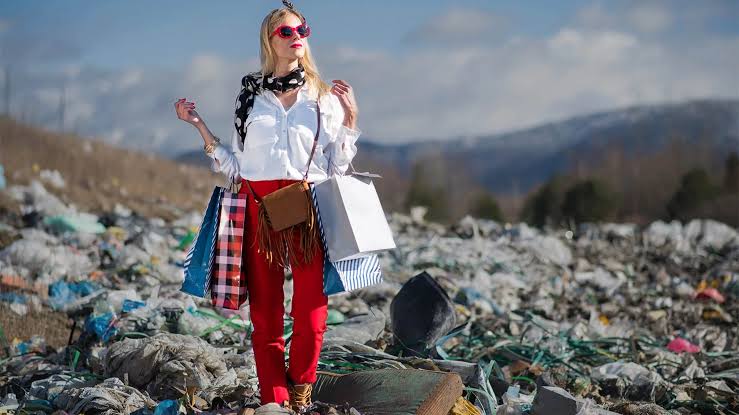
Another reason fast fashion is so popular is its low prices. For a single clothing design, brands mass-produce items, significantly reducing the cost per piece.
The fabrics used are often synthetic fibers such as polyester and nylon, which are much cheaper to source. Trendy items at low prices have created an addictive cycle—many people feel satisfied by purchasing inexpensive products. It is therefore no surprise that fast fashion continues to thrive.
Combined with fast-paced social media marketing and the use of influencers to attract new audiences, the flow of money within this industry continues uninterrupted.
Designing for Aesthetics
One defining characteristic of fast fashion brands can be seen in their clothing designs. The garments often appear simple and minimalist, as producing clothing with excessive stitching, pleats, unique fabric combinations, or complex designs would be both difficult and expensive.
Fast fashion brands also frequently use 3D design software to visualize products, reducing production budgets by limiting the need for physical samples. Whether consciously or not, fast fashion brands often imitate designs from luxury labels. While the results are not the same—merely inspired—they still look appealing enough for many people to buy.
Why Fast Fashion Is Controversial
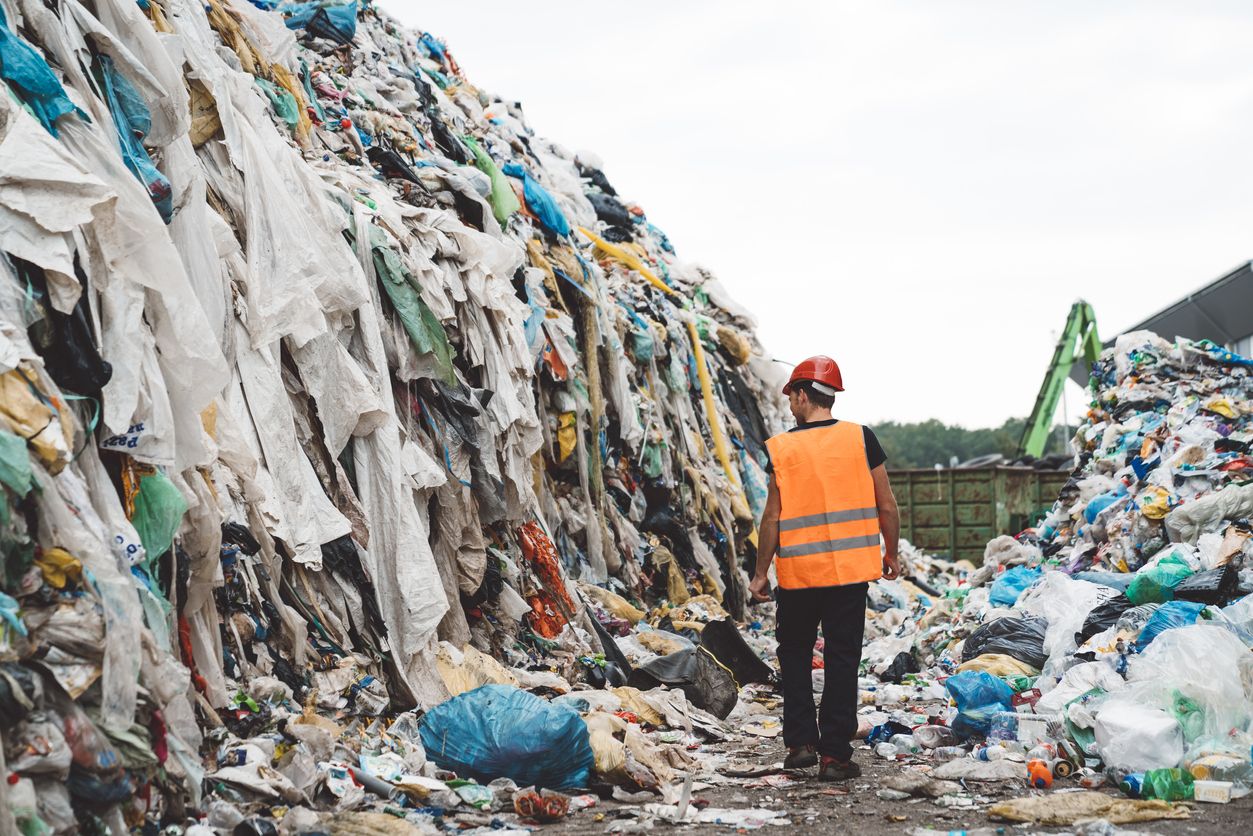
The United Nations Environment Programme (UNEP) states that the fashion industry is responsible for up to 10 percent of global annual carbon emissions. To produce large volumes of low-cost products, many brands rely on inexpensive materials such as polyester.
At the same time, petroleum-based textiles like polyester account for around 50 percent of fiber production and are harmful to the environment. Moreover, as trends change rapidly, many garments end up in landfills because they are no longer worn or are made from low-quality materials that lack durability.
Fast fashion prioritizes speed in producing, marketing, and selling clothing to keep up with trends. As a result, garment production often relies on labor paid at the lowest possible wages. This has led fast fashion to be closely associated with unsafe working conditions, low wages, and unfair treatment of workers.
As Consumers, How Should We Respond to the Fast Fashion Trend?
In today’s fast-moving fashion world, responding to the fast fashion trend can be challenging. As consumers, you can adopt strategies to avoid being drawn into the cycle.
You can start by prioritizing quality over quantity. While this may require a higher upfront cost, the items you purchase will last longer and offer greater long-term value.
In addition, resist FOMO driven by social media displays. Setting a shopping budget can help ensure you do not overspend by the end of the month. You can also begin researching brands that prioritize sustainability—often local artisans and small producers are leading the way.